Zinc Alloy Etchants
Complete guide to selecting and applying etchants for zinc and zinc alloys. Covers dilute HCl, chromic acid, Weck's, and other reagents for die casting alloys, galvanized coatings, and wrought zinc products.
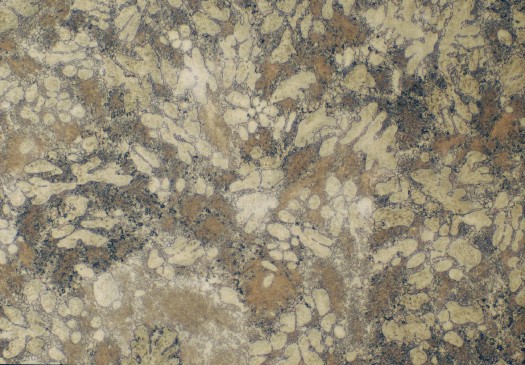
Alloy Classification & Preparation
Understanding the alloy system helps select the right etchant. Zinc alloys are widely used in die casting, galvanizing, and as alloying elements in brass and other copper alloys.
Alloy Designation Systems
Zinc alloys are classified by composition and intended application.
View alloy families
- Zamak alloys (2, 3, 5, 7): Zinc-aluminum alloys with small additions of magnesium and copper, widely used in die casting
- ZA alloys (ZA-8, ZA-12, ZA-27): Zinc-aluminum alloys with higher aluminum content for improved strength and bearing properties
- Zn-Cu-Ti alloys: Wrought zinc alloys used for architectural applications, roofing, and rolled products
- Pure zinc (99.9%+): Used for galvanizing, anodes, and chemical applications
- Superplastic alloys: Zn-Al eutectoid compositions used for forming complex shapes
Preparation Tips
Zinc is very soft (30 HB) and highly susceptible to mechanical damage during preparation.
View key considerations
- Use low force and short grinding times to minimize deformation and smearing
- Avoid excessive heat during sectioning; zinc has a low melting point (419.5 °C)
- Use water-based coolants during cutting and grinding to prevent thermal damage
- Final polishing with colloidal silica or alumina suspension is recommended
- Clean thoroughly between preparation steps to prevent cross-contamination
Etching Considerations
Zinc is highly reactive and etches very quickly compared to most metals.
View etching notes
- Start with shorter etching times and increase gradually
- Dilute HCl is the most common general-purpose etchant
- Swabbing technique works well for chromic acid-based etchants
- Weck's reagent reveals dendritic and eutectic structures effectively
- NaOH solution is preferred for pure and low-alloy zinc
Recommended Etchants
While dilute hydrochloric acid is the most common general-purpose etchant, specific alloys may require specialized reagents. For PACE's full etchant catalog and the Materials Prep ELN, see Etchant Resources.
| Etchant | Composition | Conditions | Applications |
|---|---|---|---|
| Dilute Hydrochloric Acid |
|
|
|
| Sodium Hydroxide Solution |
|
|
|
| Palmerton's Reagent |
|
|
|
| Weck's Zinc Reagent |
|
|
|
Troubleshooting
Common etching issues and how to resolve them.
Over-etching
Surface appears too dark or pitted. Reduce etching time significantly. Zinc etches very quickly due to its high reactivity.
Under-etching
Grain boundaries not clearly visible. Increase etching time slightly or ensure etchant is fresh and at the correct concentration.
Uneven Etching
Ensure sample is completely dry before etching and maintain consistent immersion or swabbing motion across the surface.
Staining
Rinse immediately with water after etching and dry with compressed air to prevent water spots and oxidation.
Smeared Microstructure
Re-polish the sample with colloidal silica to remove the deformation layer before re-etching. Zinc is prone to mechanical smearing during preparation.
Etchant Shelf Life
Prepare fresh chromic acid and Weck's reagent solutions for each use for best results. Mixed etchants degrade over time.
Related Resources
Class 1 Prep Guide
Step-by-step preparation procedures for soft, ductile materials like zinc alloys.
View guideEtchant Catalog
Browse and filter the full PACE etchant catalog inside the Materials Prep ELN.
Open the catalogEtchant Resources
Material guides, technique reference, safety info, and the Materials Prep ELN catalog, all in one place.
Open the hubEtching Consumables
PACE's pre-mixed etchant catalog organized by material, with composition, conditions, and shop links.
Browse consumables